

Choosing the right university in Canada can feel like standing in front of a huge buffet — so many good options, but you can’t have them all. Canada is home to world-class education, diverse cultures, and plenty of opportunities. But when you start searching for “the best university in Canada,” you’ll realize there isn’t one simple answer. It really depends on what you want.
So, let’s walk through this step by step — in plain English, with no complicated jargon. Whether you’re a local student or someone dreaming to study in Canada from abroad, this guide will help you make a confident and informed decision.
Think about what you want to study
Before you start scrolling through lists of universities, take a deep breath and ask yourself: “What do I actually want to study?”
It sounds simple, but many students skip this part. You see, different universities in Canada have different strengths. For example:
| Field of Study | Top Canadian Universities Known For It |
|---|---|
| Engineering & Technology | University of Waterloo, University of Toronto |
| Business & Management | McGill University, York University (Schulich) |
| Health Sciences | University of British Columbia, McMaster University |
| Arts & Humanities | Queen’s University, University of Alberta |
| Computer Science | University of Toronto, University of Waterloo, Simon Fraser University |
If you’re not yet sure what you want to study, no worries. You can shortlist universities that offer flexible programs or interdisciplinary degrees. These allow you to explore different fields before committing to one.
Check the location
Canada is massive — the world’s second-largest country. And believe it or not, where you live can totally change your experience.
Do you want a vibrant city life? Or maybe a quieter town surrounded by mountains? Let’s break it down a bit:
| City | Province | Why You Might Like It |
|---|---|---|
| Toronto | Ontario | Big city vibes, lots of diversity, endless job opportunities |
| Vancouver | British Columbia | Beautiful nature, mild weather, tech hub |
| Montreal | Quebec | Affordable, rich culture, bilingual city (French + English) |
| Calgary | Alberta | Friendly people, lower living costs, growing economy |
| Halifax | Nova Scotia | Peaceful, seaside city, perfect for small community feel |
Remember, tuition is only one part of your total cost. Living in downtown Toronto is much more expensive than living in Halifax or Ottawa. ️
Understand tuition and living costs
Let’s be honest — studying abroad can be expensive. But Canada is often more affordable than countries like the US or UK.
Here’s a quick average (in Canadian Dollars):
| Program Type | Average Annual Tuition (for International Students) |
|---|---|
| Undergraduate (Bachelor’s) | CAD 20,000 – 35,000 |
| Postgraduate (Master’s) | CAD 18,000 – 32,000 |
| PhD | CAD 10,000 – 25,000 |
| Living Expenses | CAD 10,000 – 15,000 per year |
Now, keep in mind that some cities (like Vancouver or Toronto) are pricier in terms of rent and food. Meanwhile, smaller cities like Winnipeg or Halifax can be way more budget-friendly.
Pro Tip: Always check if the university offers scholarships or bursaries. Many Canadian universities give merit-based and need-based awards, even to international students.
Check the admission requirements
Each university in Canada has its own rules. Some focus on your grades, others might look more at your extracurricular activities or personal essays.
Here’s what you’ll typically need:
-
Academic transcripts (with good grades)
-
Proof of English or French proficiency (like IELTS, TOEFL, or TEF)
-
Statement of Purpose or Motivation Letter
-
Reference letters
-
Sometimes, a portfolio (for design or art-related programs)
If you’re applying for postgraduate programs, you’ll likely also need:
-
A bachelor’s degree in a related field
-
Research proposal (for thesis-based programs)
-
Resume or CV
It’s always a good idea to visit the university’s official website and double-check the requirements for your chosen course.
Look at rankings — but don’t worship them
Yes, rankings matter. But they’re not everything. Some students get so obsessed with rankings that they forget what really matters — fit.
For instance, the University of Toronto is one of the top-ranked universities in Canada, but if you prefer smaller classes and closer connections with professors, a mid-sized university like Carleton or Brock might suit you better.
Here’s a look at some top universities based on 2025 global reputation:
| University | QS Global Rank (Approx.) | Known For |
|---|---|---|
| University of Toronto | #21 | Research & Innovation |
| McGill University | #30 | Medicine, Law, Arts |
| University of British Columbia | #34 | Environmental Studies, Business |
| University of Alberta | #90 | Energy Research, Engineering |
| University of Waterloo | #112 | Computer Science, Co-op Programs |
So, use rankings as a reference, not a rulebook. The best university for you depends on your goals, study style, and budget.
Check the student experience
Let’s face it — studying isn’t just about lectures and libraries. Your university years are also about making friends, exploring new cultures, and growing as a person.
Before finalizing your choice, check what kind of student support the university offers:
-
Clubs & societies: Are there communities for your interests?
-
Career support: Do they help students find internships or jobs?
-
Housing: Do they have safe and affordable on-campus housing?
-
Mental health support: Does the university offer counseling or wellness programs?
Reading student reviews online or watching YouTube vlogs from current students can also give you a feel for the campus atmosphere.
-
Planning to stay after graduation? Learn about pathways to stay in Canada after your studies — Read complete guide
Co-op programs and internships
Here’s one thing that sets Canada apart: many universities offer co-op programs.
That means you can alternate between studying and working in your field. Not only does it help you earn some money , but it also gives you real-world experience that makes your resume stronger.
Some universities famous for co-op programs include:
-
University of Waterloo
-
Simon Fraser University
-
University of Victoria
-
Carleton University
If your goal is to work in Canada after graduation, choosing a program with co-op options can be a smart move.

Consider your long-term goals
Ask yourself: “What do I want to do after graduation?”
If you want to stay in Canada for work, look into programs that qualify for the Post-Graduation Work Permit (PGWP). Usually, if your program is at least 8 months long and from a designated learning institution (DLI), you’re eligible.
If you plan to move back home, maybe choose a globally recognized university that adds weight to your resume internationally.
Campus size and environment
Not all universities feel the same. Some are huge — like mini-cities — while others are small and cozy.
A large university (like UofT or UBC) means endless activities and networks but can sometimes feel overwhelming. Smaller universities (like Mount Allison or St. Francis Xavier) often have tighter communities and more personal attention from professors.
Think about your personality. If you’re social and love crowds, big campuses will excite you. If you prefer calm and one-on-one interactions, smaller campuses may be your comfort zone.
Cultural diversity
One of the best things about Canada is how welcoming and diverse it is. You’ll find students from every corner of the world here.
If you’re coming from abroad, you’ll want to choose a university that celebrates multiculturalism. Most large universities have international student offices that organize cultural events, mentorship programs, and social activities to help newcomers adjust.
Weather – yes, it matters! ❄️☀️
It might sound funny, but Canada’s weather can shock new students.
If you’re not used to freezing winters, maybe don’t start your journey in Northern Ontario or Manitoba.
Vancouver and Victoria have mild, rainy winters, while cities like Montreal or Ottawa get heavy snow and cold. Pack accordingly — and make sure you’re mentally ready for winter!
Visa and immigration support
International students must have a valid study permit to study in Canada. Most top universities have offices that guide you through this process, helping with visa documentation, housing, and pre-departure orientations.
If you ever feel unsure about immigration steps, always rely on official university advisors or Government of Canada’s immigration website. Avoid unofficial agents who might mislead you.
Scholarships and funding options
Education is an investment, but there are plenty of ways to make it lighter on your pocket.
Some top scholarships include:
-
Vanier Canada Graduate Scholarships (for PhD students)
-
Lester B. Pearson International Scholarship (University of Toronto)
-
University of British Columbia International Leader of Tomorrow Award
-
McGill Entrance Scholarships
Also, many universities have in-house scholarships you can apply for during or after admission.
| Scholarship Type | Eligibility | Typical Value |
|---|---|---|
| Entrance Scholarships | High academic scores | CAD 2,000 – 10,000 |
| Merit-Based Awards | Outstanding performance | CAD 5,000 – 20,000 |
| Research Funding | For graduate students | Varies by program |
Check for international recognition
If you plan to work outside Canada later, make sure your degree is recognized globally.
Universities like McGill, Toronto, and UBC have global reputations, but even smaller ones like University of Ottawa or Dalhousie are well respected in certain fields.
Talk to alumni or current students
Sometimes, the best information doesn’t come from glossy brochures — it comes from real people.
Try joining LinkedIn groups, university Facebook pages, or Reddit communities where students share honest experiences.
Ask them questions like:
-
How was the teaching quality?
-
Was it easy to find housing?
-
How’s the job market after graduation?
You’ll often learn things no official website will ever tell you.
Final thoughts
Choosing the right university in Canada isn’t just about chasing big names. It’s about finding a place where you’ll grow academically, personally, and professionally.
Take your time, do your research, and trust your instincts. Because once you find the right fit, everything else will fall into place.
FAQs ❓
Q1: Which is the best university in Canada for international students?
It depends on your field. For research and technology, the University of Toronto and Waterloo are top choices. For affordable quality, consider Memorial University or University of Saskatchewan.
Q2: How do I apply to a Canadian university?
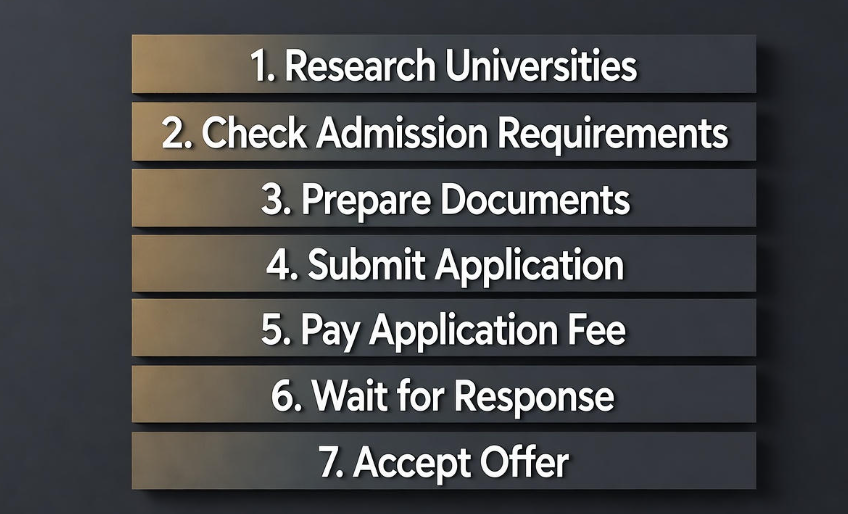
You usually apply online through the university’s website. You’ll need transcripts, a statement of purpose, proof of English/French proficiency, and sometimes reference letters.
Q3: What is the cost of studying in Canada?
Undergraduate tuition averages between CAD 20,000–35,000 per year. Living costs add another CAD 10,000–15,000 annually, depending on the city.
Q4: Can I work while studying in Canada?
Yes! You can work up to 20 hours per week during semesters and full-time during breaks without needing a separate work permit.
Q5: Are Canadian degrees recognized worldwide?
Absolutely. Canadian universities are globally respected and their degrees are recognized across major countries.
Q6: What is a Co-op program?
It’s a system that allows students to gain paid work experience while studying — a great way to build your resume before graduation.
A small tip before you go :
Don’t rush. Shortlist 3–5 universities, visit their websites, explore student reviews, compare costs, and check available scholarships. Once you’re confident — apply early! Canada welcomes bright and passionate minds from all around the world, and you could be the next success story.