The World of Cheese: From Artisanal to Iconic
The Craft of Cheese Making
Cheese making is an ancient art that transforms simple ingredients—milk, bacteria, rennet, and salt—into a vast array of delicious and complex dairy products.
The Science of Cheese Making
Understanding the basic process:
- Acidification: Starter cultures convert lactose to lactic acid
- Coagulation: Rennet (or acid) causes the milk proteins to form curds
- Cutting: Curds are cut to release whey
- Draining: Whey is separated from the curds
- Salting: Enhances flavor and preserves the cheese
- Shaping: Curds are formed into the desired shape
- Ripening: Cheese develops flavor and texture over time
Types of Cheese
Explore the diverse world of cheese:
| Category | Characteristics | Examples |
|---|---|---|
| Fresh | Unripened, high moisture | Mozzarella, Feta, Ricotta |
| Soft-Ripened | Bloomy rind, creamy interior | Brie, Camembert, Reblochon |
| Semi-Soft | Smooth texture, mild flavor | Gouda, Edam, Monterey Jack |
| Hard | Firm texture, complex flavor | Cheddar, Parmigiano-Reggiano, Gruyère |
| Blue | Veined with mold, pungent | Roquefort, Gorgonzola, Stilton |
The Cheese Making Tradition
Cheese making has deep cultural roots:
“Cheese is milk’s leap toward immortality.” �?Clifton Fadiman
- Regional Specialties: Many cheeses are protected by DOP (Denominazione di Origine Protetta) or AOC (Appellation d’Origine Contrôlée) status
- Family Recipes: Secret techniques passed down through generations
- Seasonal Variations: Cheese flavor changes with the seasons and the cows’ diet
- Artisan Producers: Small-scale makers dedicated to traditional methods
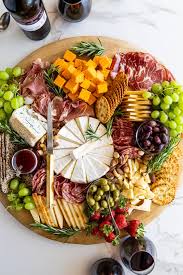
Perfecting Your Cheese Board
Create a stunning and delicious cheese board:
- Variety: Include 3-5 different types of cheese (fresh, soft, hard, blue)
- Accompaniments: Crackers, bread, fruit, nuts, honey, and preserves
- Pairings: Match with appropriate wines, beers, or ciders
- Presentation: Arrange cheeses from mild to strong, with proper labeling
- Temperature: Serve cheese at room temperature for best flavor
The Future of Cheese Making
As consumer preferences evolve, the cheese industry is adapting:
- Plant-Based Alternatives: Innovative non-dairy cheeses made from nuts, soy, or grains
- Sustainable Practices: Reducing environmental impact through better farming methods
- Experimental Flavors: Infused cheeses with herbs, spices, and other ingredients
- Educational Experiences: Cheese making classes and farm tours for enthusiasts
Cheese making is a perfect blend of science and art, tradition and innovation. Whether you’re enjoying a simple grilled cheese sandwich or an elaborate cheese tasting, every bite tells a story of craftsmanship and passion.
advertisement
advertisement