The History of Chocolate: From Mayan Sacrament to Modern Treat
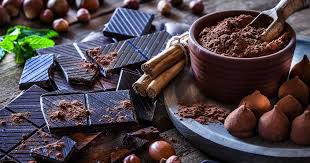
The World of Chocolate Artistry
Chocolate is one of nature’s most perfect foods—a complex ingredient that can be transformed into everything from simple treats to elaborate works of art.
The Chocolate Making Process
From bean to bar:
- Harvesting: Cacao pods are harvested from cacao trees
- Fermentation: Cacao beans are fermented to develop flavor
- Drying: Beans are dried in the sun
- Roasting: Beans are roasted to enhance flavor
- Winnowing: The outer shell is removed, leaving the nibs
- Grinding: Nibs are ground into a paste called chocolate liquor
- Conching: The chocolate is refined and smoothed
- Tempering: Chocolate is heated and cooled to stabilize crystals
Chocolate Types and Flavors
Explore the spectrum of chocolate:
| Type | Cocoa Content | Flavor Characteristics |
|---|---|---|
| White | 0% | Sweet, creamy, vanilla notes |
| Milk | 10-50% | Smooth, sweet, caramel flavors |
| Dark | 50-70% | Rich, complex, slightly bitter |
| Extra Dark | 70%+ | Intense, bold, earthy flavors |
The Art of Chocolate Sculpting
Creating edible masterpieces:
“All you need is love. But a little chocolate now and then doesn’t hurt.” �?Charles M. Schulz
- Tools of the Trade: Tempering machines, molds, sculpting tools, and airbrushes
- Techniques: Casting, carving, painting, and assembly
- Design Principles: Balance, proportion, texture, and color
- Challenges: Temperature control, stability, and shelf life
- Inspiration: Nature, architecture, art, and culture
Chocolate in Modern Cuisine
Chocolate is more than just a dessert ingredient:
- Savory Pairings: Chocolate complements meats, spices, and vegetables
- Molecular Gastronomy: Innovative techniques like chocolate foam and spheres
- Global Influences: Chocolate incorporates flavors from around the world
- Health Benefits: Dark chocolate is rich in antioxidants and may have health benefits
Sustainable Chocolate
The chocolate industry is working toward a more sustainable future:
- Fair Trade: Ensuring farmers receive fair prices for their cacao
- Organic Farming: Reducing the use of pesticides and fertilizers
- Deforestation Prevention: Protecting cacao-growing regions
- Community Development: Investing in education and healthcare for cacao farming communities
Chocolate is a universal language that brings people together. Whether you’re enjoying a simple chocolate bar or admiring an elaborate chocolate sculpture, it’s a reminder of the beauty and creativity that can be found in nature’s gifts.
advertisement
advertisement