Bread Baking: The Artisan Revolution
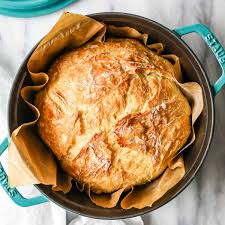
The Art of Artisan Bread Making
Artisan bread baking is more than just mixing flour, water, yeast, and salt—it’s a labor of love that connects us to ancient traditions while embracing modern techniques.
The Science Behind the Crust
The perfect artisan loaf is defined by its characteristics:
- A crisp, golden-brown crust that shatters when sliced
- An open, irregular crumb structure
- A complex flavor profile developed through long fermentation
- A moist interior that stays fresh for days
Mastering the Fermentation Process
Fermentation is where the magic happens:
“Good bread is the most fundamentally satisfying of all foods; and good bread with fresh butter, the greatest of feasts.” �?James Beard
- Pre-ferment (Biga or Poolish): Enhances flavor and improves texture
- Autolyse: Allows flour to fully hydrate, developing gluten naturally
- Bulk Fermentation: Lets flavors develop and dough rise
- Proofing: Gives the final rise before baking
Essential Tools for Every Home Baker
You don’t need expensive equipment to make great bread:
| Tool | Purpose |
|---|---|
| Dutch Oven | Creates steam for crust development |
| Bench Scraper | Divides dough and cleans work surfaces |
| Bread Lame | Scores the dough before baking |
| Digital Scale | Ensures precise measurements |
Troubleshooting Common Issues
- Dense Crumb: Often due to insufficient proofing or kneading
- Pale Crust: Lack of steam during initial baking
- Flat Loaf: Expired yeast or incorrect water temperature
- Sour Flavor: Over-fermentation
Joining the Artisan Revolution
The artisan bread movement is about more than just bread—it’s about community, sustainability, and celebrating craftsmanship. Whether you’re baking your first loaf or your hundredth, every batch is a journey of discovery.
advertisement
advertisement